
What beautiful time travel this was. Director Oliver Hermanus takes us on a sumptuous journey through Americana that’s somewhat familiar, and somewhat not. The History of Sound is a not a perfect movie, but with the love and affection this film has for its characters, it’s also a movie easy to forgive and give yourself over to, like a warm hug just before bed.
The story is about Lionel Worthing (Paul Mescal). Narrated by his older self (Chris Cooper), we learn of Lionel’s humble upbringing in rural Kentucky and gift for sound and music. But Lionel’s life really starts when those gifts take him to a 1917 New England Conservatory, where he meets composer David White (Josh O’Connor) in a pub. After beautifully serenading him with “Silver Dagger”, Lionel finds in David a kindred spirit…as well as a romantic one. The rest of the story is about Lionel’s on and off times with David, beset by bad timing and missed connections, as well as a few moments of brief wonderful bliss.
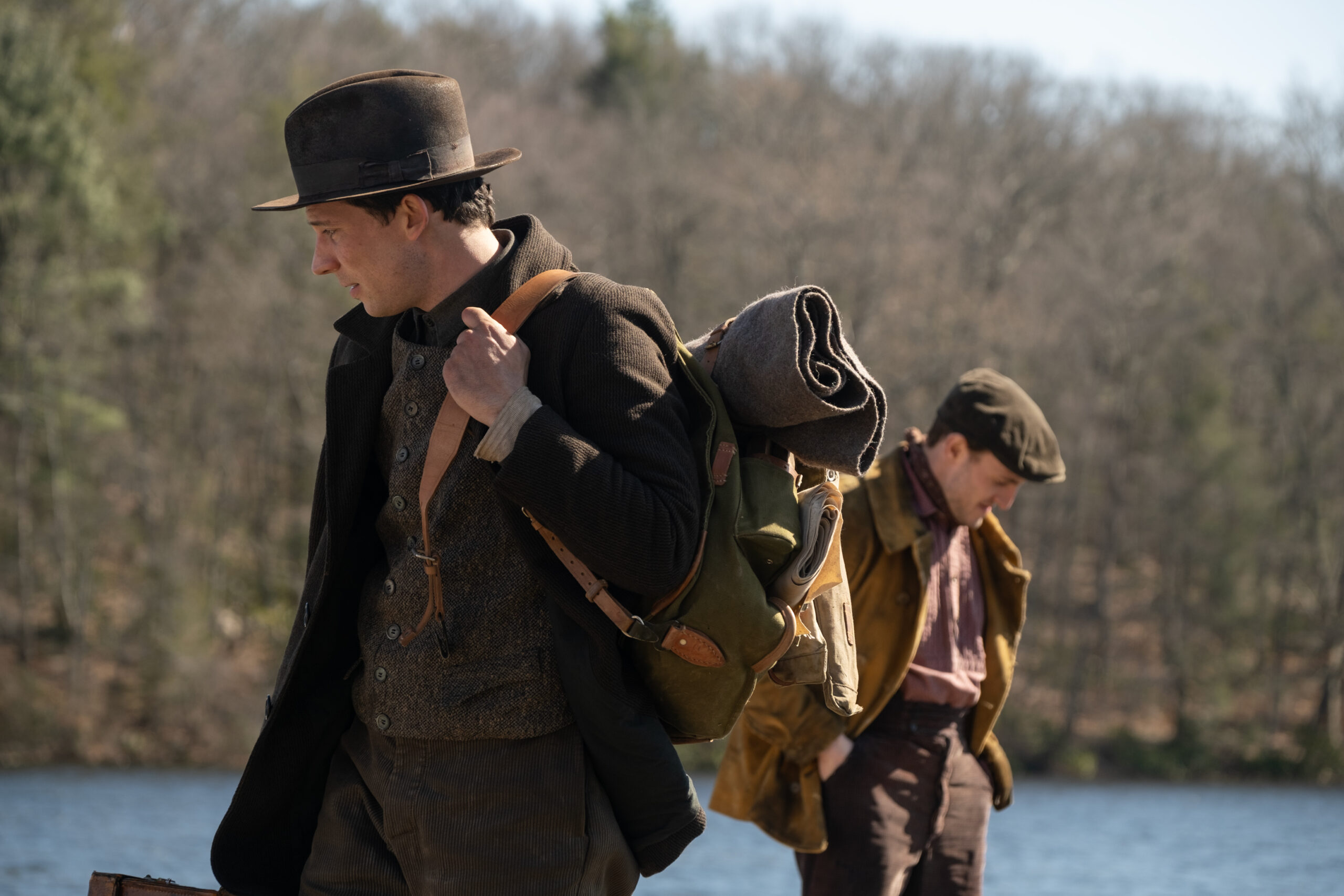
The first hour of Oliver Hermanus’s story is magic. Slow burns like The History of Sound only work if you want to spend every minute with the people in the movie, clear cut in the story being told. The minute Lionel hears David playing that piano in the pub, you’re drawn into their connection. Mescal and O’Connor are wonderful together: two emotionally open smoking hot talented actors completely immersing into the relationship. It’s intoxicating at times. Then WWI comes beckoning, splitting them apart for a couple years (~10 movie minutes) letting Hermanus show how the sounds and Lionel’s demeanor change. He’s lost a part of himself, and so things have to change a bit. This longing wonderfully shifts when David returns from war, and asks Lionel to go on an “academic project” across Maine with him, recording folk songs from locals. That sequence of the movie is the highlight, where all sorts of stories and themes swirl around the romantic road trip the two men are on. Hermanus throws in folk music appreciation, the right way to live, consequences of war, government overreach, discrimination, etc. In shore, Americana, in its purest form. This trip feels of its and out of time at once, immersing the audience on David and Lionel’s trip, swooning and longing alongside them during what will be likely the most important moments of both their lives.
But that moment in time was always going to be fleeting. And unfortunately for The History of Sound, so was the effectiveness of the slow burn. All those ideas introduced on that trip cause the movie to lose its mooring when we split the men up again, and just follow Lionel. The story then transforms into something else for the next hour. Because Lionel is unsure of what to do with his life, Hermanus does the same with the movie, which, while true to the character, undercuts any little momentum the story had. We all know Lionel is going to want to search for David, but we have to get years out of the way (this is based on a short story) first before that search can begin in earnest. Because we have to wrap this up within an hour, the movie can’t figure out which sections to elaborate on and which ones to quickly burn through, meaning a rushed conclusion with multiple time jumps and underdeveloped characters, unlike the quiet lived in comfort of most of the film. Except for the final scene, which Chris Cooper nails.
The History of Sound was so close. A few second half tweaks and this would have been a living poem onscreen, winning multiple awards and hearts of audiences everywhere. As is, it’s still a lovely tale, and one I recommend on a cold night, with a warm tea and someone you love right beside you. Particularly if you love folklore. Not the Taylor Swift album…the real stuff.