
The best book I’ve ever read was Crime and Punishment. It sucks you in with the thrills initially, but then slowly reveals itself to be beautiful despondent poetry, slowly inhabiting your soul as you understand the profound depths of Russian melancholy. The modern, American version of those tales showcases similar feelings about the African-American experience in the United States of America. Since If Beale Street Could Talk, we’ve been getting one beautiful piece of black art per year. And this year, accompanied with Dreams in Nightmares, we’ve already got 2! Let’s keep it going, and keep upping the quantity of stories as well, especially if the quality is as stellar as If I Go Will They Miss Me.
The movie opens in Watts, a poor, black community in Los Angeles. Big Ant (J. Alphonse Nicholson) has just been released from prison, and his family eagerly awaits his return. We’ve got his wife and family rock Lozita (Danielle Brooks), oldest Acacia (Zaria Kelly), youngest Trae (Mark Lane III), and Ant’s best friend JJ (Myles Bullock). Oh, and maybe most of all, 12ish year old Lil Ant (Bodhi Dell), at that critical young age for black pre teens as they have to make critical life decisions about who they want to be.
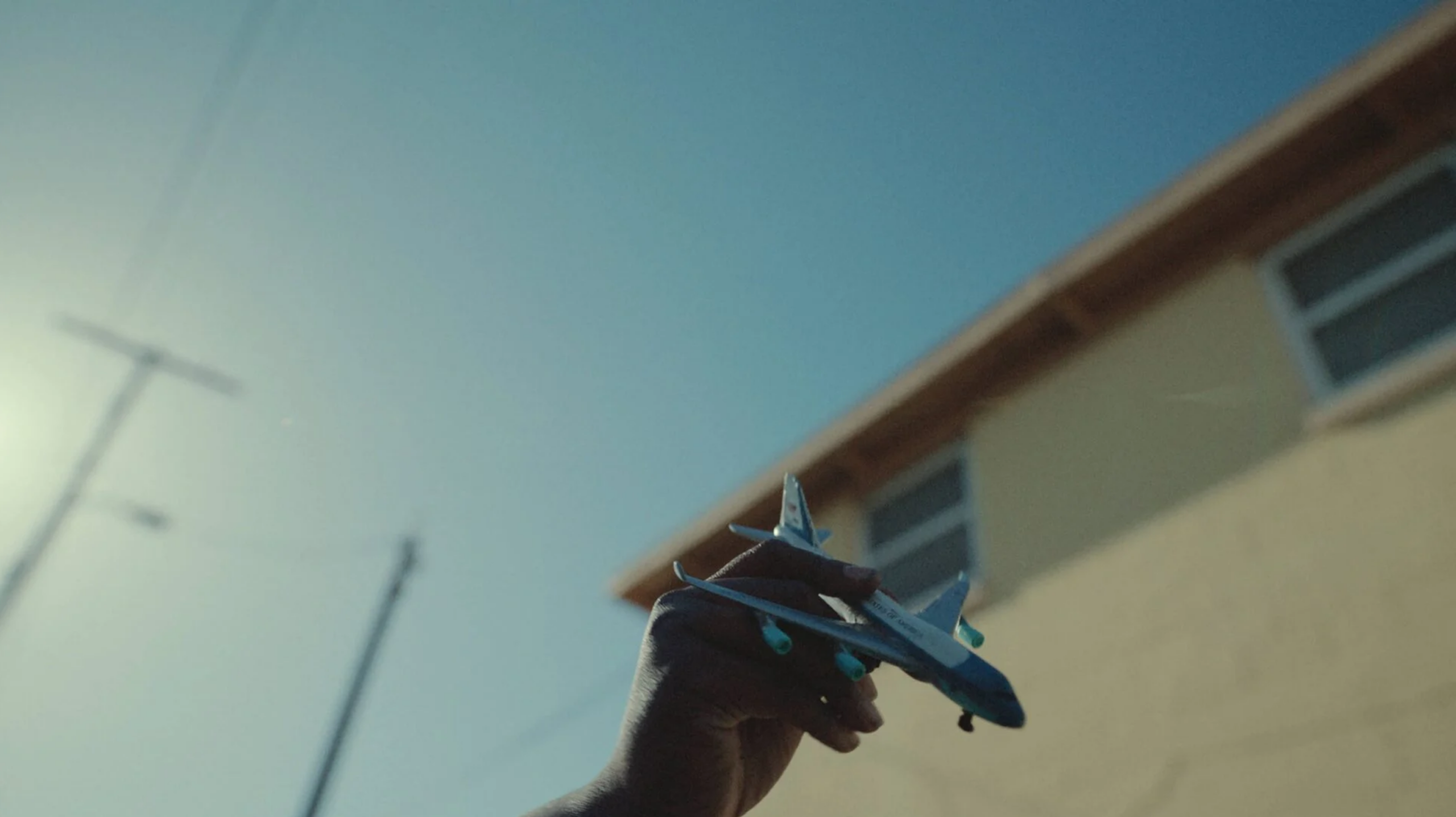
If I Go Will They Miss Me needs a clear vision for the story it wants to tell. Walter Thompson-Hernandez’s guiding light was clearly his heart, and inside of that is of course, art. The director uses wonderful powerful imagery legible to Lil Ant and the audience to help us understand how the boy sees the world. Amidst the everyday struggles in a place like Watts, Lil Ant’s head is up in the air, dreaming of flying in any way he possibly can to see a world much bigger than his own. School actually provides more helpful ideas for him too, taking the “father is a god” metaphor and literalizing it as Ant learns about Greek mythology. So as stress and struggle threaten to pound Lil Ant into the pavement, Hernandez enters us either into one of Lil Ant’s drawings, or through a daydream he has about his trident holding dad lording over the Los Angeles Oceanside. As we learn more, those metaphors also shapeshift as art can do: how can Ant fly if he has no wings, and no one can catch him? What does that trident look like when it’s not protecting? Throw in a beautiful Tom Third score, and at its peak If I Go Will They Miss Me gets to the Exhibiting Forgiveness magic that elevates a movie into pure moving art in 24 frames per second.
To fill out the screen, we also leave Lil Ant’s head and spend some time with his family. The joys of those characters dissolve any preconceptions we might have about news segments about Watts. Instead, Thompson-Hernandez reminds us that conversations anyone has are also had here, just with different language. There’s a great scene in the middle that in lesser films would show Big Ant’s life taking a turn for the worse, but instead the writer/director turns it into a series of two-handers, as the family gets past the movie scene to the real one, where Lozita extracts that Big Ant is projecting his own artistic failures onto his son, and Lil Ant learns that adults are not perfect, but works in progress just like him. It’s always bold to trade explosive melodrama for complex emotional character driven dialogue, but when done right like it is in If I Go Will They Miss Me, the ceiling of the movie gets higher and higher. Helped in no small part thanks to Bodhi Dell, J. Alphonse Nicholson, and Danielle Brooks, who all turn in amazing performances I won’t forget anytime soon.
Get ready to swoon, cry, smile, snarl, and eventually, fly away with If I Go Will They Miss Me. It’s the best parts of why movies are so beloved, giving us a vehicle for empathy for a group of people we otherwise would never meet. And yet another reminder to Hollywood to please keep making black tales like this, and cast Danielle Brooks in movies with actual parts. She nails it every time.